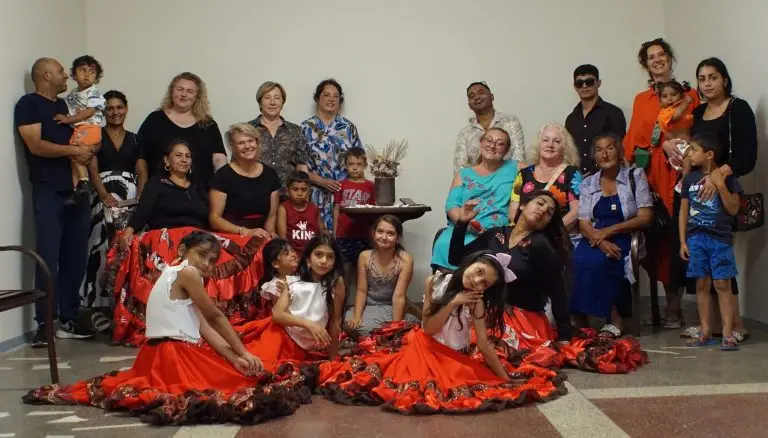
Every year, the World Day of Social Justice reminds us that equality and non-discrimination are not only guiding principles of the European Union but also everyday challenges for many communities across Europe. In Bulgaria, organisations supported by the ROVA project are working to transform these values into tangible change by empowering Roma communities, strengthening access to rights, and promoting dialogue between citizens and institutions.
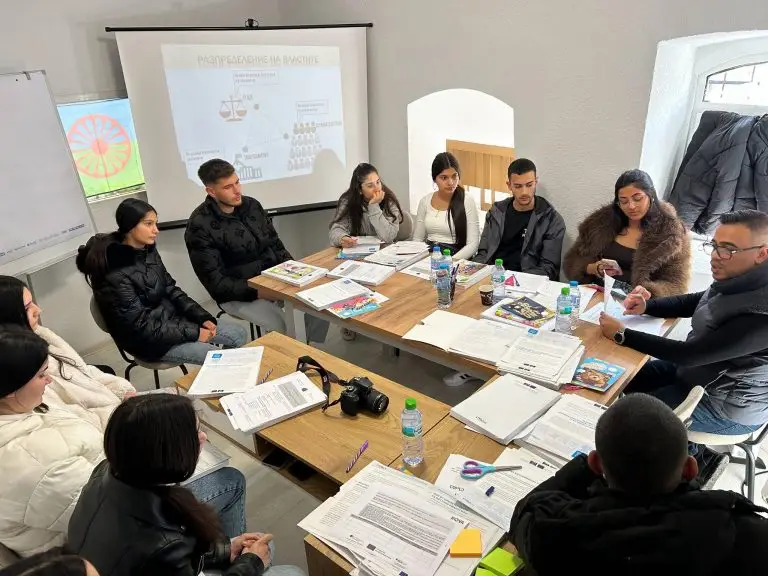
In cities such as Sofia, Dupnitsa, and Sliven, the project “Voices for Change – The Power of Community”, implemented by Equal Opportunities Initiative, creates local Roma Advocacy Hubs where community members can collectively respond to rights violations and engage directly with public authorities. These hubs provide training, document cases, and encourage civic participation, helping communities move from passive observers to active advocates for equality and human dignity.
The importance of such efforts became particularly visible following the forced evictions in Sofia’s Zaharna Fabrika neighbourhood, which raised serious concerns about discrimination and access to justice. Through its ROVA-supported initiative, the Bulgarian Helsinki Committee provides legal assistance to affected families while facilitating public discussions and cooperation among civil society actors. By challenging unlawful practices and promoting accountability, the organisation contributes to protecting fundamental rights and reinforcing the rule of law.
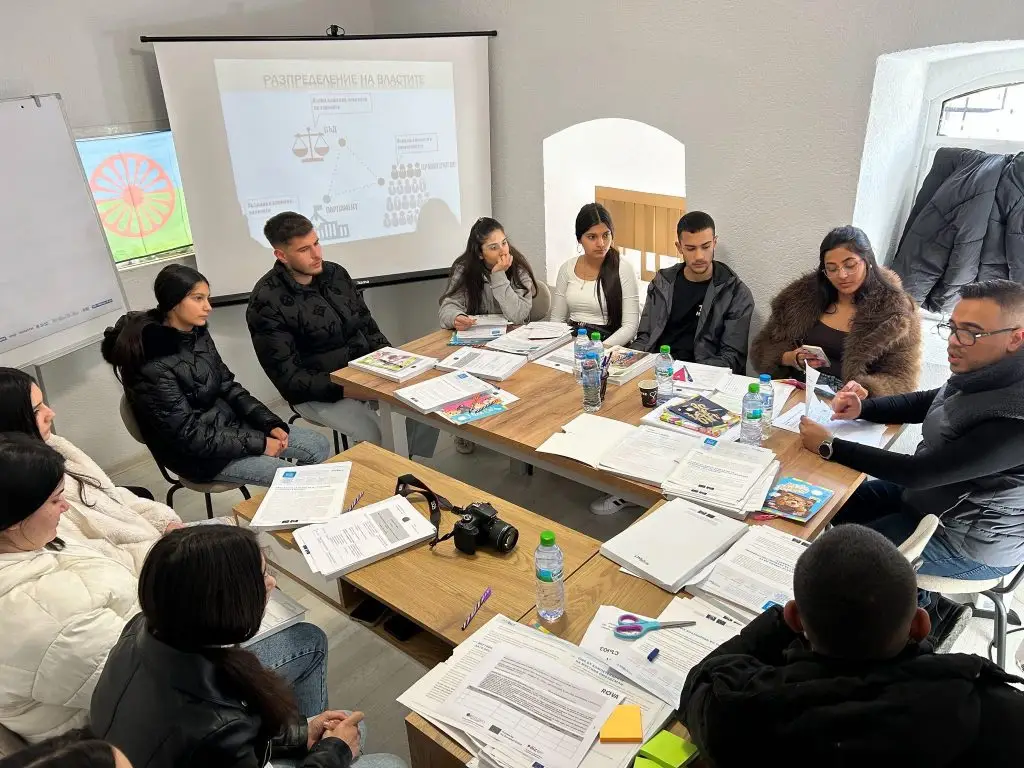
Meanwhile, in the municipality of Kotel, social justice takes shape through everyday interactions between citizens and institutions. The project “Youth C.O.D. – Capacity, Empowerment, Action”, implemented by Local Active Group – Kotel, trains young Roma community navigators who help residents understand administrative procedures and access public services. Listening to the experiences of hundreds of households, the initiative transforms community voices into practical tools such as the “COMPASS” guide – designed to make institutional processes clearer and more accessible for everyone.
Although diverse in their approaches, these initiatives share a common goal: reducinginequalities and ensuring that rights are accessible to all. By supporting grassroots leadership, legal advocacy, and community-driven solutions, the ROVA project demonstrates how social justice is built step by step – through participation, trust, and cooperation. In doing so, it reaffirms that equality and non-discrimination are not abstract ideals, but essential foundations for inclusive and democratic societies across Europe.