January connects two important global observances : International Holocaust Remembrance Day and the International Day of Education, both deeply linked to the lived realities of Roma communities and to the European Union’s core values of dignity, equality and human rights.
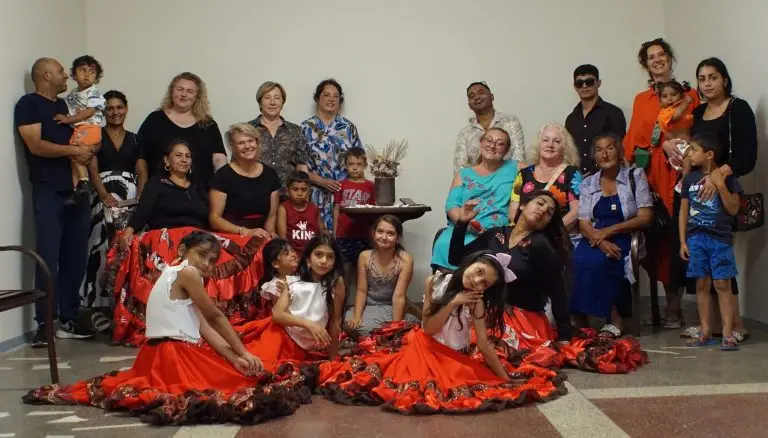
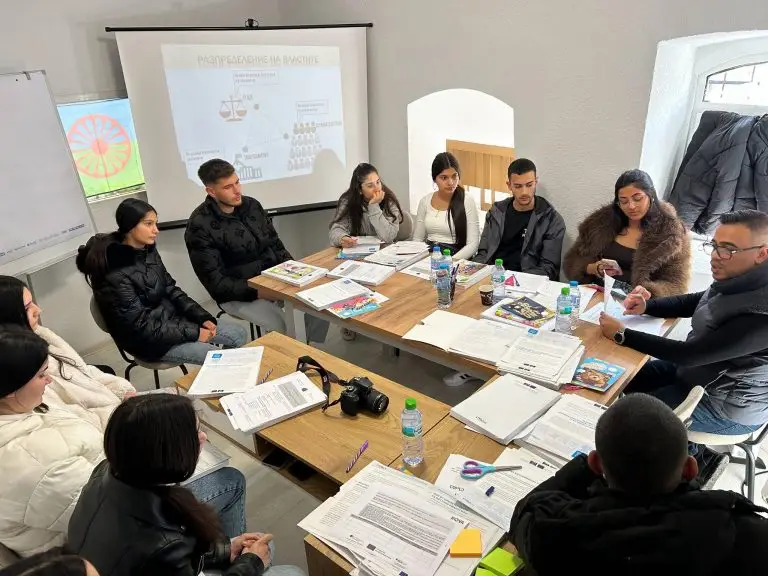
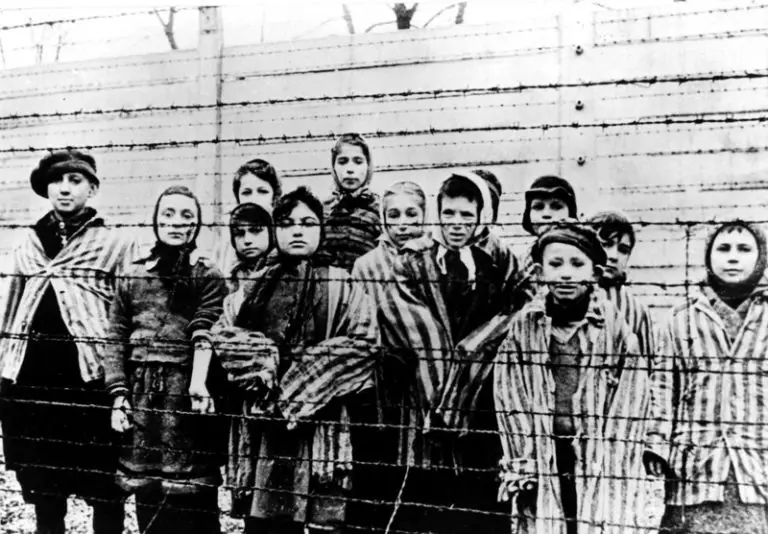
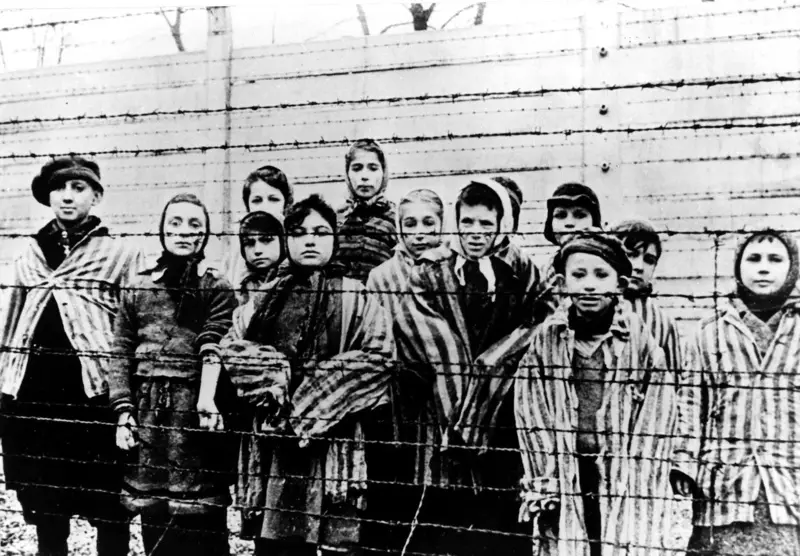
The Roma Holocaust represents one of the most tragic chapters in European history. In the Czech lands and Moravia, nearly the entire Roma population was exterminated; only a few hundred survivors returned from concentration camps, traumatized and without homes or families. For decades, this history remained largely unspoken. Today, RomanoNet (Czech Republic & Slovakia), within the EU-funded ROVA project, works to preserve remembrance, encourage public dialogue, and highlight not only Roma victims but also Roma resistance and heroism. Integrating this history into education strengthens democratic culture and reinforces a collective commitment to truth and human dignity.
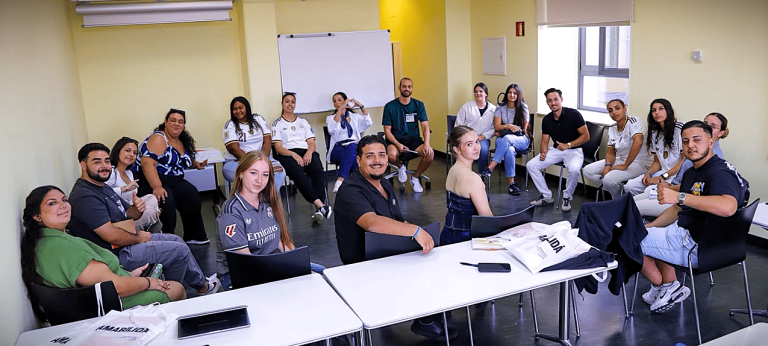
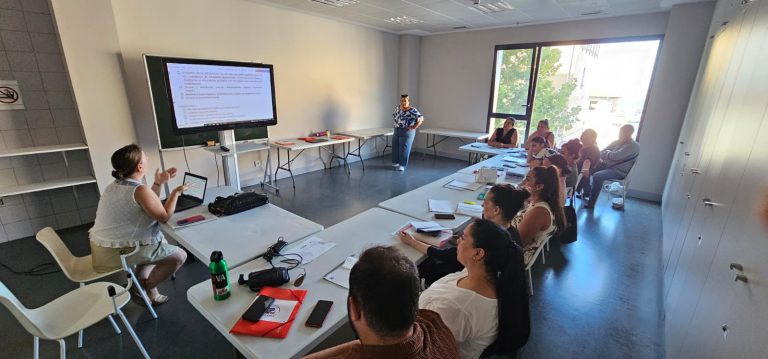
Education remains a cornerstone of equality. In Spain, structural antigypsyism continues to shape educational opportunities, with segregation and early school leaving limiting futures — more than 60% of Roma students do not complete secondary education. FAGIC (Spain), through ROVA-supported initiatives, promotes community-led responses including mentoring, anti-racism education, empowerment of Roma women, digital inclusion, and the integration of Roma history and culture into curricula.
ROVA supports Roma civil society across Europe to promote EU values through rights-based action, participation, and institutional cooperation. Remembering history and advancing inclusive education are inseparable commitments that strengthen democracy and help build societies where no Roma child, young person, or adult is left behind.